
Kilode ti Ẹkọ́ Èdè Jàpánèsè Ṣe Ṣe Pàtàkì Fún Ọjọ́ Iwájú Bangladẹ̀ṣì
Ìdí Kíkö Èdè Jápánì Ṣe Pàtàkì Fún Ilẹ̀ Wa
Ní àkókò tó wà báyìí, nígbà tí àgbáyé ti di ohun tó jápọ̀ gan-an, èdè kò ṣe nǹkan tí a lo fún ìbáṣepọ̀ nìkan—ó jẹ́ ọ̀pọ̀ tó so àwọn orílẹ̀-èdè, àwọn ìṣẹ̀ ọ̀ṣọ́, àti àwọn ìṣẹ̀ ọ̀rọ̀ jọ. Láàrin àwọn èdè àjèjì púpọ̀, èdè Jápánì ti di ohun tó ṣe pàtàkì gan-an fún àwọn orílẹ̀-èdè bí Bangladesh. Kíkö èdè Jápánì le ṣí ẹ̀kó, iṣẹ́, iṣòwò, àti ìpín ìṣẹ̀ ọ̀ṣọ́ púpọ̀.
1. Àwọn Ìṣẹ́ ní Jápánì
Jápánì jẹ́ ọ̀kan nínú àwọn ọ̀rọ̀ tó lagbára jù lọ ní àgbáyé àti ó ní àìlòótọ́ àwọn ọ̀mọ̀ aláìsàn nítorí pé àwọn ènìyàn ti dàgbà. Nítorí náà, Jápánì ń gbà àwọn ọ̀mọ̀ àjèjì pẹ̀lú ìfẹ́, àkọ́kọ́ láti àwọn orílẹ̀-èdè bí Bangladesh. Tí àwọn ènìyàn bá kö èdè Jápánì, wọ́n le gbiyanju fún àwọn iṣẹ́ ní àwọn ẹ̀kó bí IT, ìmọ̀ ẹ̀rọ, ìtọ́jú, ìkó ilé, àti iṣẹ́ ìbáṣepọ̀. Paapaa àwọn ọgbọ́n èdè Jápánì tí kéré le fún ìṣẹ́ tó dára nínú orílẹ̀-èdè míìrán.
2. Àwọn Ìṣẹ̀ Ẹ̀kó Gíga
Jápánì ń fún àwọn ọmọ akẹ́kọ̀ò àjèjì ní àwọn ìrànwọ́ ẹ̀kó púpọ̀. Àwọn yunifásítì ní Jápánì jẹ́ àwọn tó ní ẹ̀kó tó dára gan-an, àkọ́kọ́ ní ìmọ̀ ẹ̀rọ àti ìmọ̀ ẹ̀rọ ìṣẹ̀ ọ̀ṣọ́. Àwọn ọmọ akẹ́kọ̀ò láti Bangladesh tí ó kö èdè Jápánì le wọ́ ní àwọn ìṣẹ̀ yìí pẹ̀lú ìrọ̀rùn àti kö ní ọ̀kan nínú àwọn ètò ẹ̀kó tó gíga jù lọ ní àgbáyé.
3. Ìmúdadá Àwọn Ìbáṣepọ̀ Àwọn Orílẹ̀-èdè Méjì
Bangladesh àti Jápánì ti ní àwọn ìbáṣepọ̀
View original
Why Learning Japanese Language is Important for Bangladesh's Future
Why Learning Japanese Language is Important for Our Country
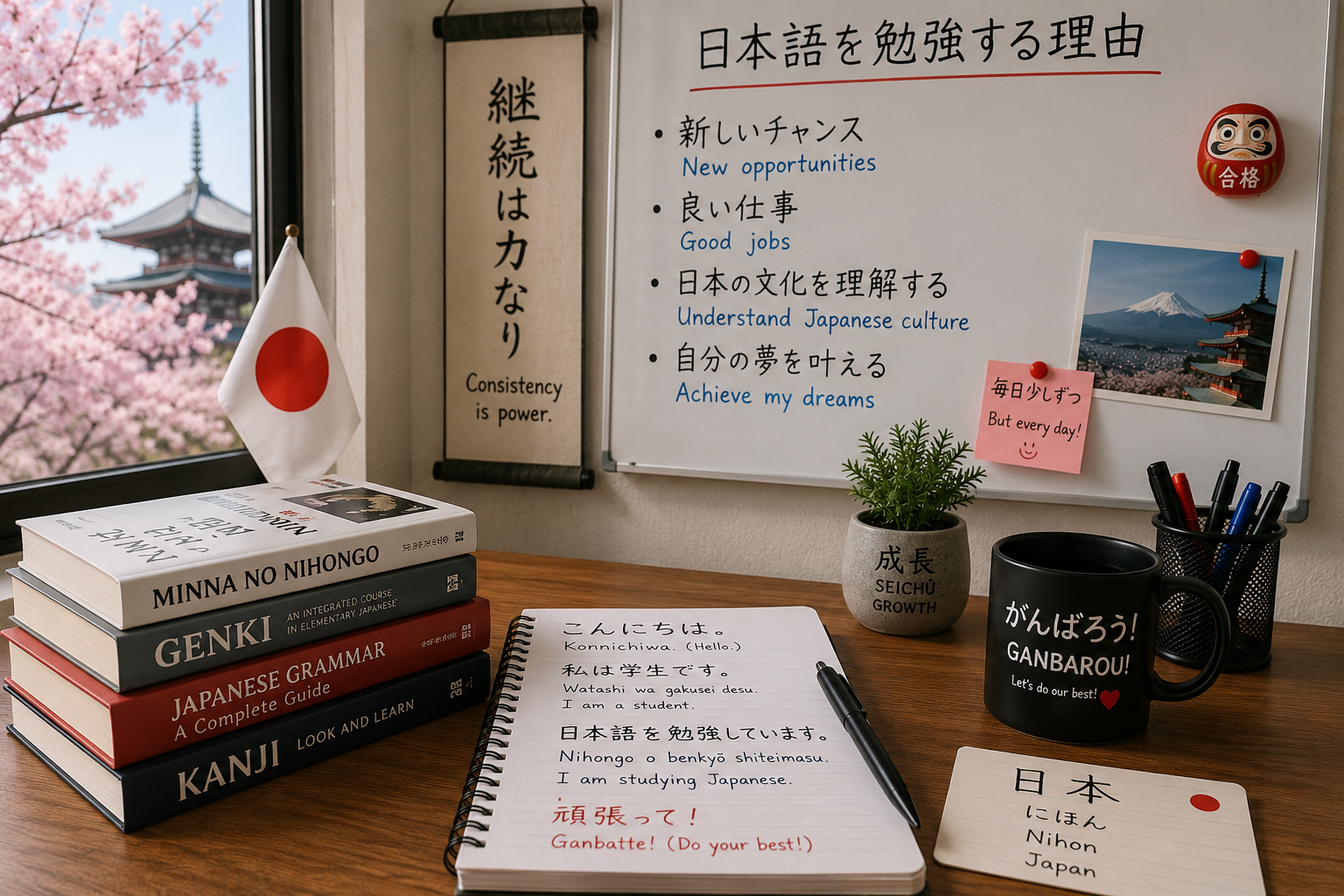
In today's global world, language is not just a way of communication—it is a bridge that connects countries, cultures, and economic opportunities. Among many foreign languages, Japanese has become increasingly important for countries like Bangladesh. Learning Japanese can open many doors for education, jobs, business, and cultural exchange.
1. Job Opportunities in Japan
Japan is one of the world's strongest economies and faces a shortage of skilled workers due to its aging population. As a result, Japan actively welcomes foreign workers, especially from countries like Bangladesh. If people learn Japanese language, they can easily apply for jobs in sectors such as IT, engineering, caregiving, construction, and hospitality. Even basic Japanese skills can increase the chance of getting a good job abroad.
2. Higher Education Opportunities
Japan offers many scholarships for international students. Universities in Japan are known for high-quality education, especially in science, technology, and robotics. Students from Bangladesh who learn Japanese can access these opportunities more easily and study in one of the most advanced education systems in the world.
3. Strengthening Bilateral Relations
Bangladesh and Japan already have strong diplomatic and economic relationships. Learning Japanese helps improve communication between the two countries. It also encourages more cultural exchange, tourism, and investment opportunities, which benefit both nations.
4. Growth in Business and Technology
Japan is a global leader in technology, robotics, and innovation. By learning Japanese, entrepreneurs and professionals from Bangladesh can better understand Japanese technology and business models. This can help in building partnerships, importing advanced technology, and starting joint ventures.
5. Cultural Understanding
Language is closely connected to culture. Learning Japanese helps people understand Japanese traditions, discipline, work ethics, and lifestyle. This cultural understanding can improve mutual respect and cooperation between people of both countries.
6. Personal Learning Experience
I have been learning Japanese for 3 months, and I find it very enjoyable and interesting. At first it felt a bit challenging, but now it has become a fun and motivating journey. Every day I learn something new, and it makes me more excited to continue improving my skills.
Conclusion
Learning Japanese is not just about speaking a new language—it is about opening doors to a better future. For a developing country like Bangladesh, Japanese language skills can create new job markets, educational paths, and international cooperation. Therefore, encouraging Japanese language learning can play a very important role in our country's development.
♥ 0 💬 0 👁 378